Projects
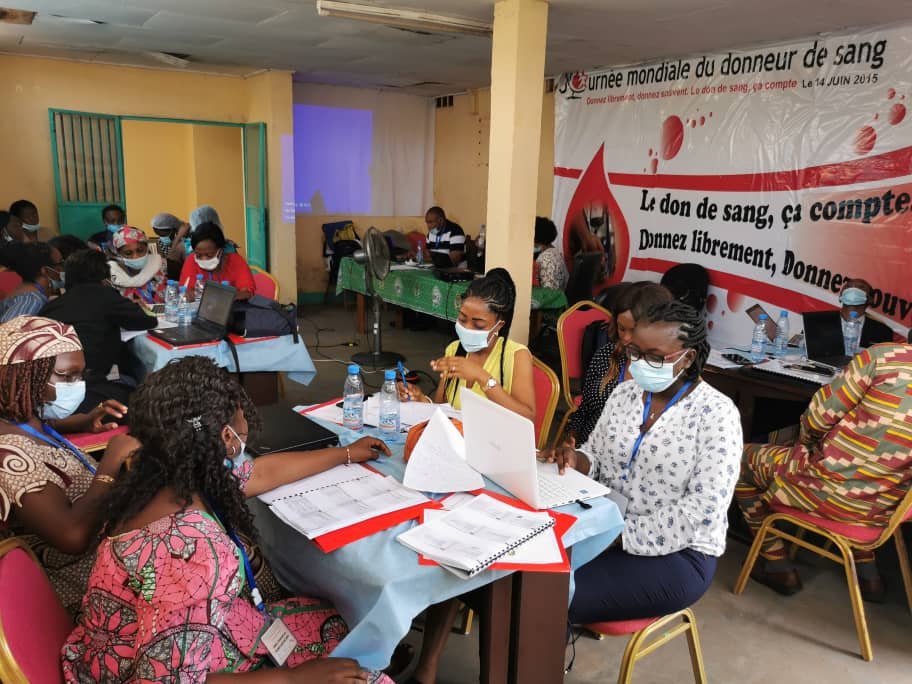
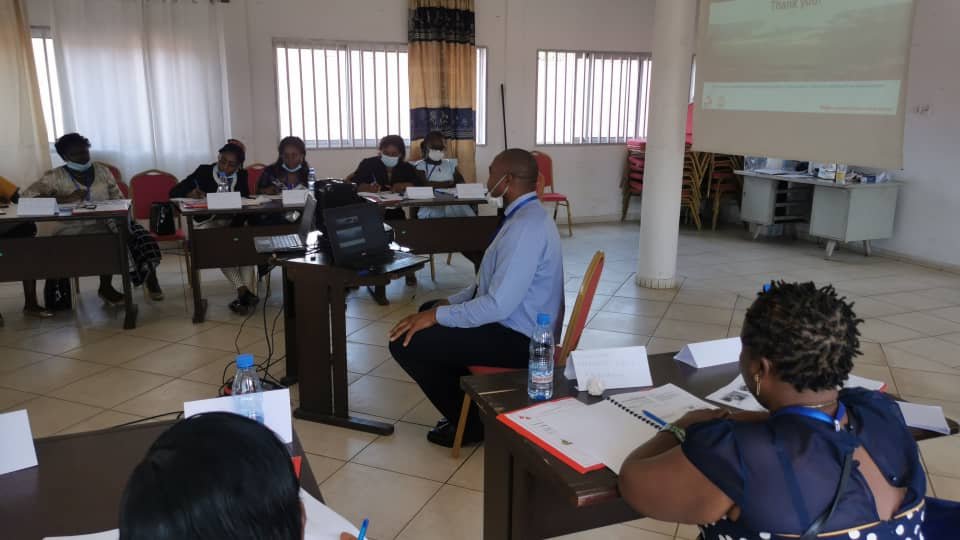
Cameroon
Ghana
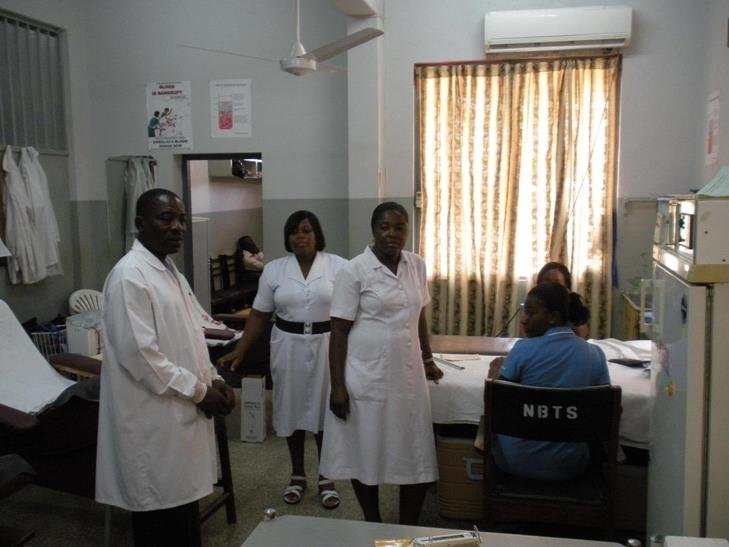
Since 1999 the Safe Blood for Africa Foundation™ (SBFA), has gained extensive experience in providing Technical Assistance (TA) for the establishment of fully functioning, sustainable, centrally-coordinated, National Blood Services in Africa in accordance with prescribed best practices advocated by WHO and accredited by international organisations such as the AfSBT. The SBFA is dedicated to the establishment of sustainable Blood Services according to these guidelines. Our operational structure, based on the Blood Safety Value Chain (BSVC) is a framework designed to demonstrate the connectedness between various components that are critical to making up a centrally coordinated National Blood Service (NBS) that is fit-for-purpose for developing and resource poor countries.
Long term Technical Assistance (TA) needs for the National Blood Service Ghana (NBSG) Ghana were initially addressedthrough Task Order (TO), Blood Safety Technical Assistance Services contract # 200-2010-36449-0003, funded by the CDC through PEPFAR. Subsequent support for development is via the Ghana Blood Safety Technical Assistance Services Cooperative Agreement contract (PEPFAR CoAg Grant #1U2GGH000869-01).
Our Mission
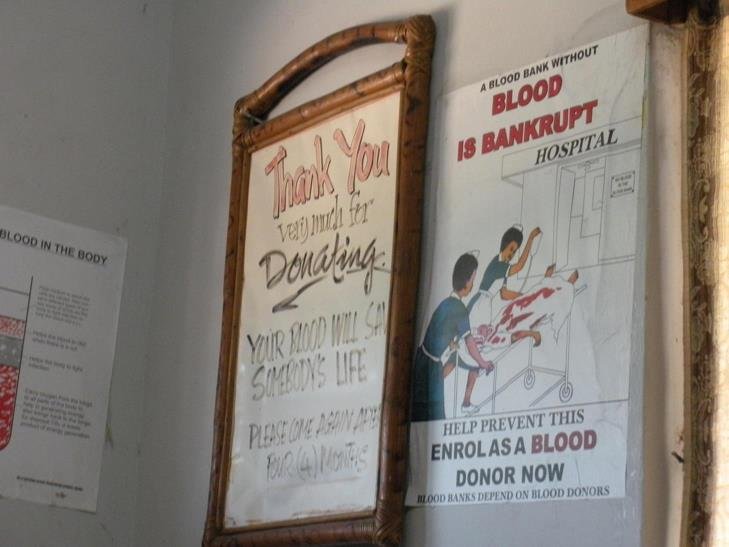
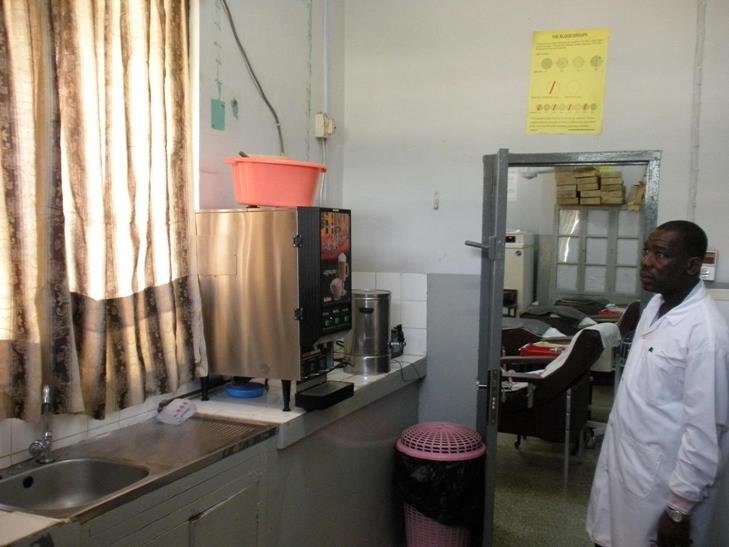
The SBFA is assisting Ghana in developing the NBSG, focussing on improving all aspects of the operation including Donor Recruitment and Management, Blood Collection, Testing, production of Blood Components, distribution, training across the BSVC and Quality Systems. The SBFA provides Technical Assistance related to the following five key technical areas:
- Situational assessment;
- Blood collection, donor mobilisation and conversion of Family Replacement Donors to repeat Voluntary Non-Remunerated Blood Donors (VNRBD);
- Blood Testing and Serology;
- Quality Management Systems including (M & E); and
- Training across the BSVC.
Our Achievements:
Since 2012 SBFA has:
- Conducted a desktop analysis of Blood Safety in Ghana with a comprehensive field assessment to guide the NBSG in developing a strategic plan.
- Worked with NBSG to develop an inclusive five-year Training Programme for all staff.
- Completed initial training programmes on:
- Blood collection planning;
- Donor recruitment and formation of donor clubs such as Club25;
- Introduced pre- and post-donation Counselling;
- Appropriate Clinical use of Blood; and
- Quality systems.
Activities planned for 2014-2015:
- Monitoring the effectiveness of the blood collection programme
- Assisting with the further development of SOPs, documentation and training materials
- Conducting donor recruitment training and conversion of FRDs to repeat VNRBDs
- Conducting follow up counselling training
- Development of skills to prepare components
- Developing job descriptions and training and mentoring plans
- Extending Quality systems and M & E training to all areas of NBSG
- Introduce a viable paper based M&E system
- Prepare for the introduction of the Blood Safety Information System (BSIS)
- Assisting with implementation of an NBSG wide training plan for Accra, Kumasi and Tamale

Mali
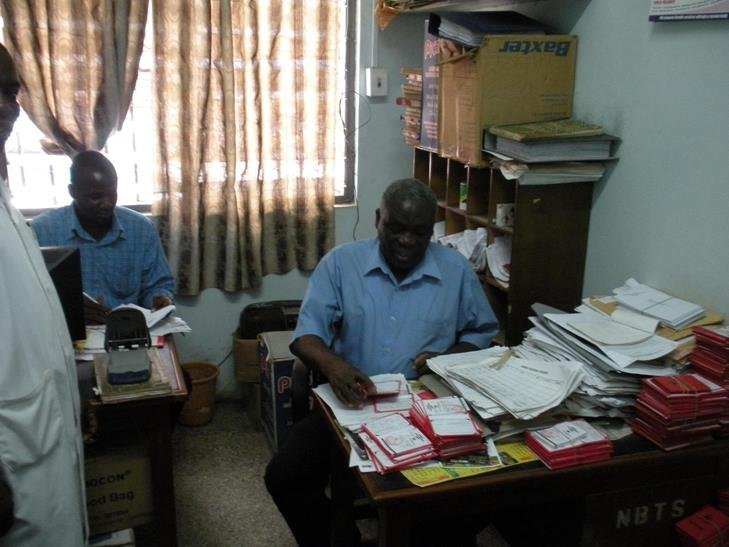
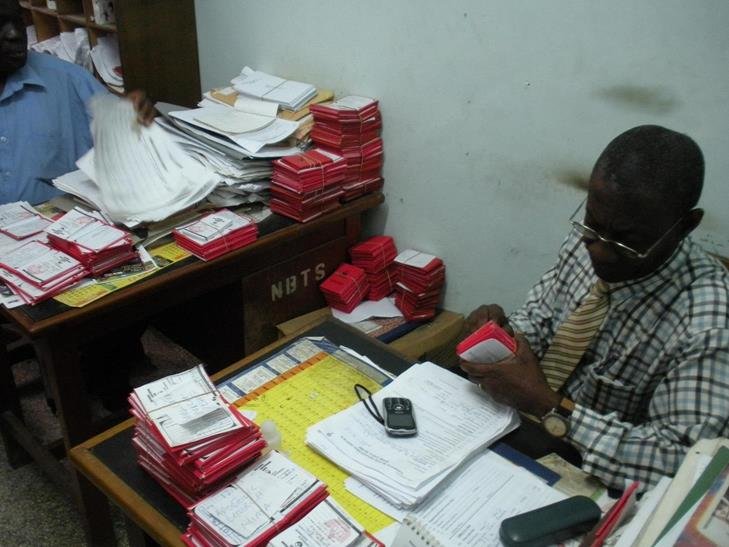
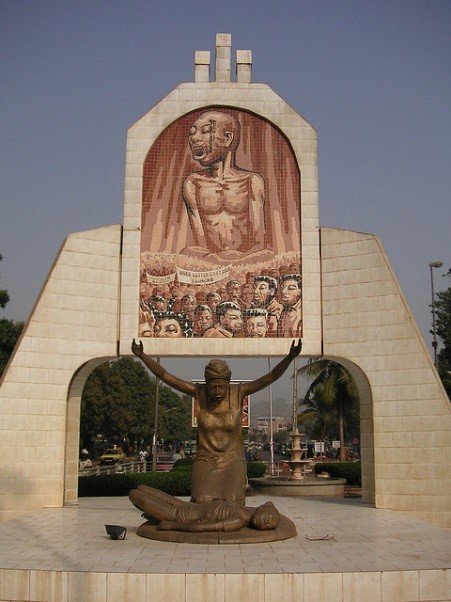
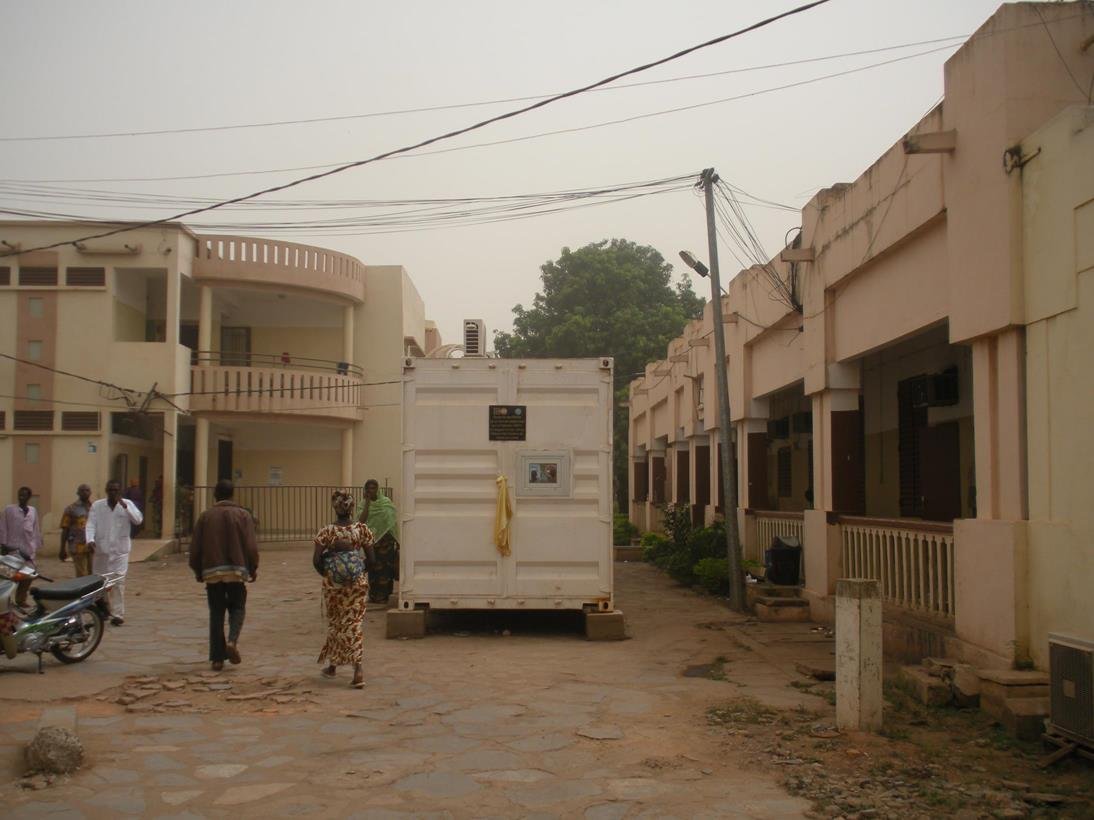
The Safe Blood for Africa Foundation™ (SBFA)commencedits intervention in Mali in 2012. This was interrupted by civil disturbances until mid-2013. Since that time there have been low levels of activity but a complete Blood Safety Assessment and planning events have taken place in Bamako, Ségou and Kita. Mali is served by the Centre National de Transfusion Sanguine(CNTS) which is headquartered in Bamako with antennes in all regions under the regional hospitals. The ongoing civil conflict prevents work north of Mopti or Gao. The SBFA is dedicated to the establishment of sustainable Blood Services according to the guidelines and recommendations of WHO for developing countries. Our operational structure, based on the Blood Safety Value Chain (BSVC) is a framework designed to demonstrate the connectedness between various components that are critical to making up a centrally coordinated National Blood Service (NBS) as advocated by WHO.
Long term Technical Assistance needs have been identified for funding through PEPFAR under a Cooperative Agreement with the US Centers for Disease Control and Prevention (CDC).
Through a partnership agreement with Physicians for Peace (PFP) we have assisted in the establishment of an improved Blood Testing Facility in Ségou.
Our Mission
The SBFA anticipates assisting Mali in strengthening the National Blood Transfusion Programme and CNTS with a focus on scaling up Blood Safety such as blood collection, testing and distribution through Technical Assistance related to the following five key technical areas:
- Situational assessment and strategic planning;
- Blood collection and donor mobilization including the conversion of Family Replacement Donors (FRD) to repeat Voluntary Non-Remunerated Blood Donors (VNRBD);
- Blood testing and laboratory practice;
- Quality Assurance including Monitoring & Evaluation; and
- Training across the Blood Safety Value Chain.
Our Achievements:
Since we began in Mali, SBFA has
- Completed a desktop analysis of Blood Safety in Mali;
- Based on an infield situational assessment in Bamako, Ségou, and Kita developed a five-year Strategic Plan;
- Conducted a Knowledge, Attitude and Perception (KAP) survey on Blood Donation;
- Engaged the Ministry of Health to advocate support for the CNTS; and
- Provided technical support and expertise to PFP in equipping the Ségou blood bank and training their staff in laboratory practice and donor mobilisation.
Future activities include:
- Developing a plan to increase blood collection (Donor recruitment, motivation, retention) based on the results of the KAP;
- Assisting with development of SOPs, documentation and training materials;
- Develop donor screening, blood testing and processing plans;
- Developing job descriptions & training/mentoring plans;
- Extending Quality Systems and M & E training in Bamako, Ségou, and Kita as a pilot;
- Introduce viable paper-based control & M&E systems; and
- Continued advocacy for the development of the CNTS.
Democratic Republic of Congo
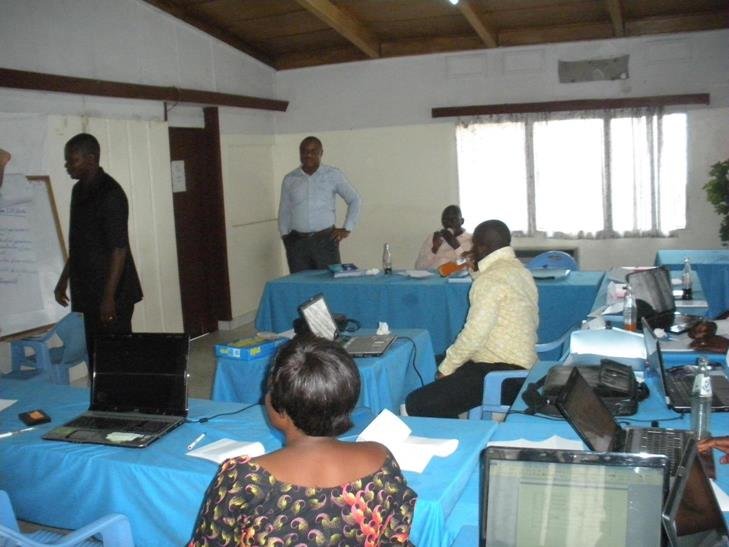
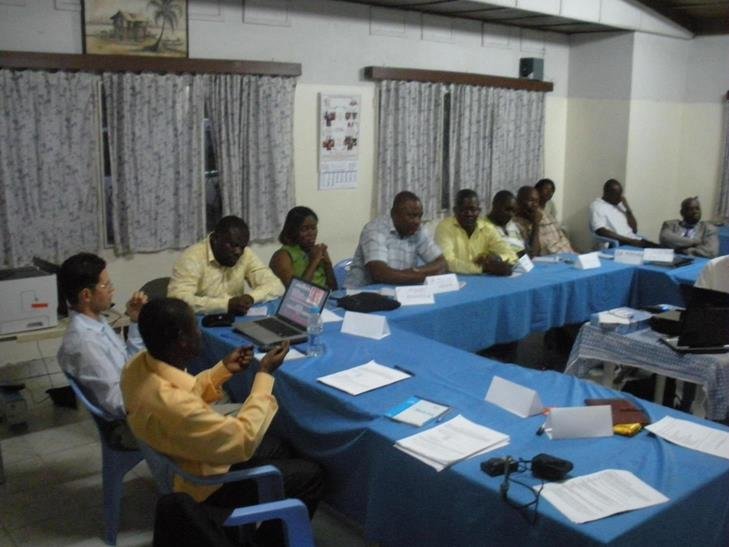
The Safe Blood for Africa FoundationTM (SBFA) started its intervention in eastern provinces of DRC in 2007. The initial USAID-funded blood safety programme aimed to secure a source of SAFE BLOOD for transfusion patients to prevent the spread of HIV and other blood-borne infectious diseases in those provinces supported. The primary means to ensure the safety of the blood being transfused to patients was to implement a programme of testing with 100% compliance. Other strategies included: Training on several aspects of the Blood Safety Value Chain (BSVC) including Voluntary Non Remunerated Blood Donation (VNRBD), Quality Assurance (QA) in Blood Services, the Appropriate Clinical Use of Blood (ACUB) and the correct use of Rapid Diagnostic Test (RDT) kits for the detection of Transfusion Transmitted Infections (TTIs).Since 2012, the SBFA has collaborated with CDC/PEPFAR in the following activities:
Since 2012, the SBFA has collaborated with CDC/PEPFAR in the following activities:
- Assessment of the Programme National de Transfusion Sanguine (PNTS), DRC’s National Blood Service, at the central, provincial and health zone levels in order to identify gaps and make adequate recommendations to strengthen Blood Safety;
- Integration of findings of the assessment with a revised five-year strategic plan;
- Development of a Technical Assistance and Implementation Plans; and
- Increased blood collection from low risk VNRBDs, especially through mobile collections.
Our Achievements:
Through Technical Assistance the PNTS in DRC were strengthened by our:
- Training of 715 Congolese Health Care Professionals (from 2008 to 2011;
- Distribution of 111 600 Rapid Diagnostic Tests in the provinces;
- Preventing 1450 HIV transmissions through contaminated blood;
- Development of a comprehensive assessment protocol;
- Conducting a thorough situational assessment of PNTS;
- Revising the PNTS’s Strategic Plan;
- Creating a “Knowledge, Attitudes and Perceptions” (KAP) Survey tool;
- Conducting the KAP survey and its report; and
- Developing and implementing of the Blood Collection Plan.
The programme of Technical Assistance to strengthen Blood Safety in DRC continues under a Cooperative Agreement with the Centers for Disease Control and Prevention in Atlanta
Nigeria
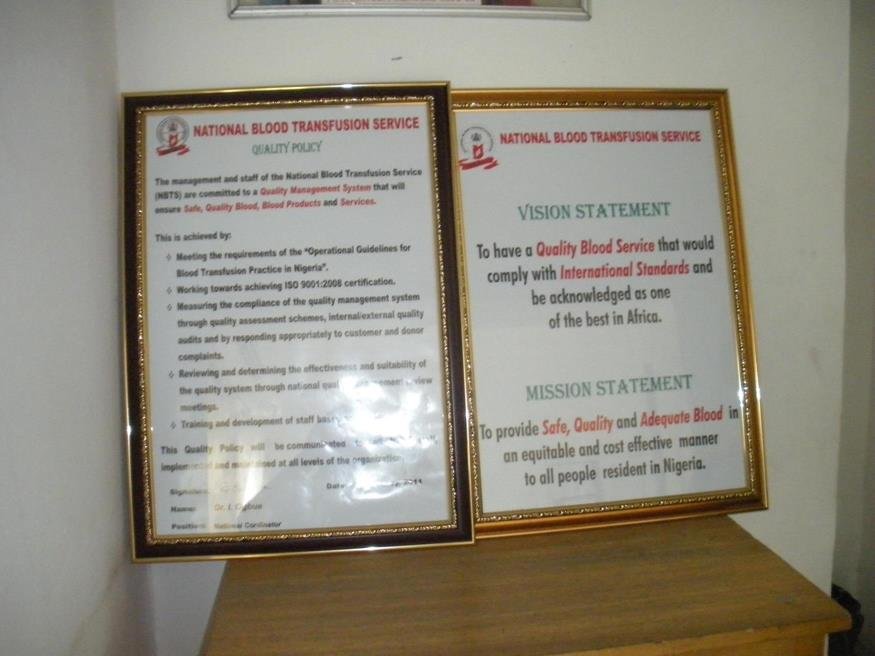
The Safe Blood for Africa Foundation™ (SBFA) is dedicated to the development and strengthening of sustainable Blood Services in Africa in accordance with WHO guidelines. Our operating framework is based on the Blood Safety Value Chain (BSVC) and designed to emphasise the importance of all the components that make up a centrally coordinated sustainable National Blood Service. The SBFA has been active in Nigeria for over 12 years with an established office and functional training centre providing full-time jobs for Nigerian staff. The Nigeria office has been continually supported through visiting SBFA staff members and internationally recognised consultants. During that time, SBFA has established working relations with the Nigerian Society for Haematology and Blood Transfusion and the African Society for Blood Transfusion (AfSBT) to promote improved blood transfusion practice in the country based on fit-for-purpose approaches.
Our Mission
The SBFA continues to assist Nigeria in developing the Nigerian National Blood Transfusion Service (NNBTS) focussing on improving all aspects of the operation including centralisation of administration, donor management, testing, blood components production, distribution of blood components, training and quality systems by providing Technical Assistance (TA) related to the following five key technical areas:
- Situational assessment and strategic planning
- Blood collection and donor mobilisation
- Blood testing
- Quality management systems including (M & E)
- Training
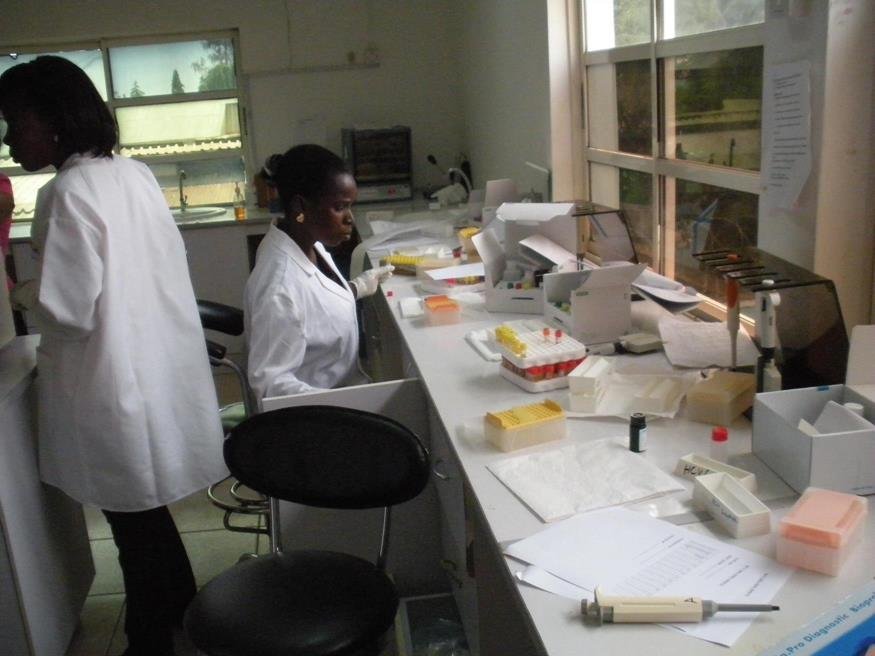
From December 2004, SBFA acted as sole implementers and established the Abuja Demonstration Project (ADP) to serve as a model Blood Testing Laboratory for the Nigerian National Blood Transfusion Service (NNBTS). This was achieved through funding from the United States Agency for International Development (USAID). In 2005, SBFA was awarded PEPFAR funds through CDC to provide TA to the Federal Ministry of Health (FMoH) to develop blood centres for the NNBTS in Kaduna and Imo States and in 2010, SBFA received a second cycle of funding from PEPFAR (2010–2015) to enable continued provision of TA for improving the availability of safe blood services..
Safe Blood for Africa FoundationTM’s achievements in Nigeria include:
- Establishing and running the first stand-alone centralized blood service centre in Abuja for two years
- Assisting with development of the National Blood Policy
- Assisting with development of the National Blood Safety Operational Guidelines
- Introducing and establishing a Nigerian chapter of Club 25
- Implementing blood safety training for the NNBTS and hospital-based Blood Safety personnel nationwide
- Providing quality systems training to NNBTS staff at all levels
- Initiating quality audits and associated M&E activities in zonal blood centres
- Implementing a community-based blood donor mobilization programme and other donor mobilization and awareness creation initiatives
- Supporting improvement of NNBTS strategies to ensure increased media activity and wider coverage
- Assisting with the establishment of a blood components processing facility for the NNBTS
- Providing blood transfusion awareness training to partner NGO’s
- Establishing a system of mentoring NNBTS staff in the workplace
- Conducting Training of Trainers courses to build sustainable capacity in Nigeria
- Improving public awareness about blood safety through sustained advocacy campaigns improving sensitization and mobilization campaigns in the community
- Collaboration with the Nigerian Medical Laboratory Science Council to provide training for teachers of medical laboratory science in testing donated blood
Angola
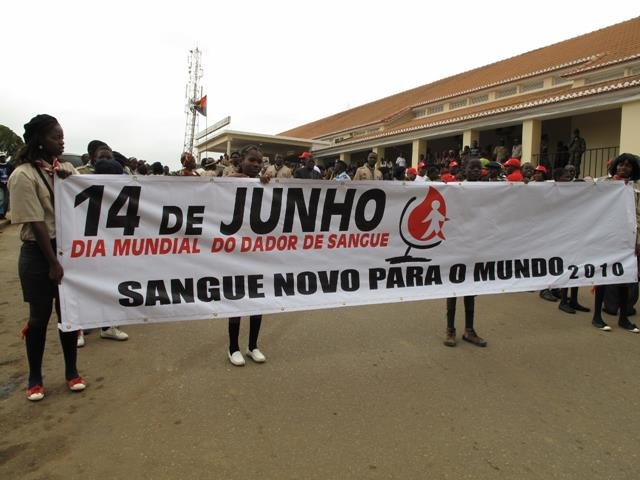
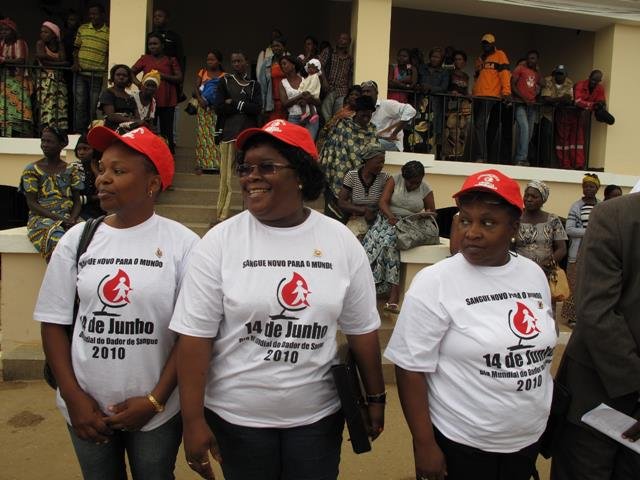
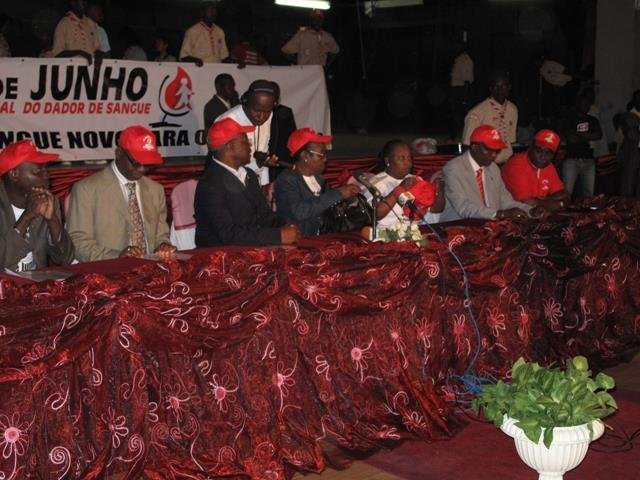
The Safe Blood for Africa Foundation™ (SBFA) draws on extensive experience gained from efforts to provide Technical Assistance (TA) for the establishment of fully functioning, sustainable, centrally coordinated, self-governing national blood services in accordance with WHO prescribed best practices for developing countries. Our operational structure, based on the Blood Safety Value Chain (BSVC) is a framework designed to demonstrate the connectedness between various components that are critical to making up a centrally coordinated National Blood Service (NBS) as advocated by the WHO and other international accreditation bodies, notably the AfSBT.
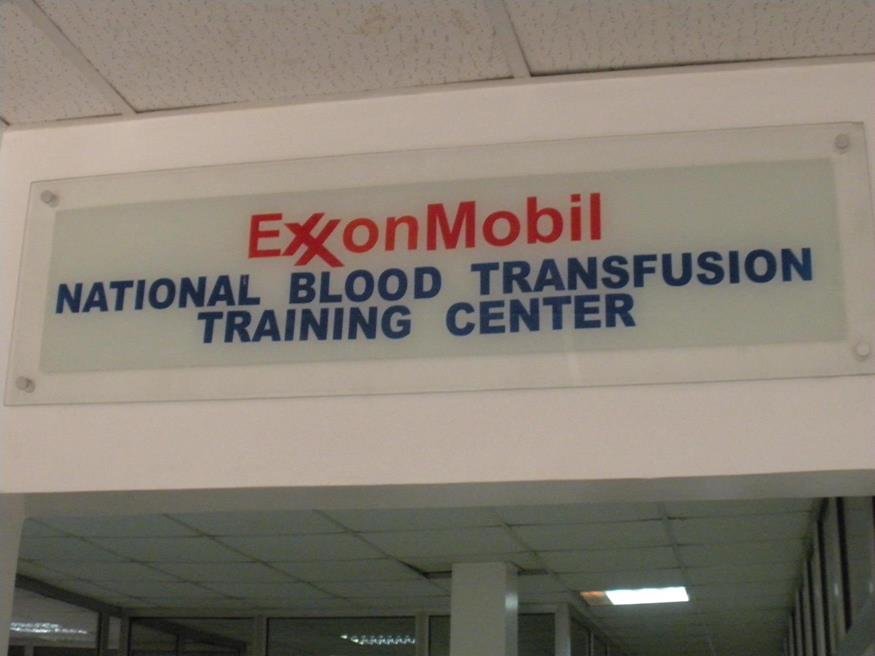
We provided support to the CentroNacional de Sangue (CNS) in Angola between 2005 and 2012, Technical Assistance was provided with initial funding from PEPFAR and Exxon Mobil with subsequent support from Chevron in Cabinda Province. In addition, the European Union (EU) blood safety project was a contributing partner. During this period, a broad programme of activities by SBFA extended from Luanda to Benguela and Kwanza Sul. A wide ranging series of development and training programmes focussing on Donor Recruitment through Club25, Donor Management, Quality and Laboratory Practice of the CNS operation were conducted. A feature of SBFA’s involvement was the provision of extensive hands-on support in Cabinda Province between 2009 and 2012 which was funded by Chevron and included facilitating the provision of blood service consumable items for that province.
Our Mission
The SBFA assisted Angola in developing the Centro Nacional de Sangue (CNS) Transfusion Programme with a focus on scaling up of Blood Safety such as Blood Collection, Testing and Distribution. The SBFA also provided Technical Assistance related to the following five key technical areas:
- Situational assessment and Strategic Planning;
- Donor Mobilization and Blood Collection;
- Blood testing;
- Quality assurance including (M & E); and
- Training including the Appropriate Clinical use of Blood.
Our Achievements:
During the period of activity in Angola, SBFA:
- Conducted an infield situational assessment of the CNS and made recommendations for improvements.
- Promoted advocacy and support for the CNS from the Angola National Health Ministry.
- Provided developmental guidance and training on:
- Blood Donor Mobilization and Recruitment;
- Donor Management;
- the introduction of Club25 notably in Cabinda Province and Sumbe;
- developed Quality Systems, Standard Operating Procedures and M&E;
- developed facilities and systems in Cabinda, Benguela and Kwanza Sul;
- Provided extensive and comprehensive training across the BSVC for all operational staff in Cabinda Province; and
- In Sumbe we facilitated the identification and refurbishing of a dedicated Transfusion Ward for paediatric cases, giving over 4000 children access to a safe transfusion to treat severe anaemia from advanced malaria.


Lesotho
The Safe Blood for Africa Foundation™ initiated contact with the Lesotho Blood Transfusion Service (LBTS) during 2003. A visit was made during 2006 which was funded by the CDC multi country fund and SBFA was then able to make recommendations and provide limited technical assistance according to the guidelines and recommendations of the WHO for developing countries. The SBFA operational structure, based on the Blood Safety Value Chain (BSVC) is a framework designed to ensure that the various components critical to making up a sustainable National Blood Service as advocated by the WHO are in place. SBFA conducted a number of training activities in Lesotho between 2007 and 2011 as well as providing funding for the initial appointment of a donor recruitment officer. The LBTS was also assisted by SBFA in identifying suitable plans for the construction of a blood centre to be funded by Millennium Challenge Corporation (MCC) which is now operational.
Our MissionThe SBFA has assisted Lesotho in the development of the National Blood Transfusion Service with a focus on scaling up of blood safety activities such as blood collection, testing and distribution and provided Technical Assistance services related to the following key technical areas:
These activities were carried out regularly between 2007 and 2011 after which funding was no longer available.
Our Achievements:During the period 2006 – 2011, SBFA:
|
Since 1999 the Safe Blood for Africa Foundation™ has investigated and provided assistance in Blood Safety in over 40 countries in Africa. Starting in Nigeria, our work has taken us as far afield as Liberia and Chad, Mali, DRC, Angola, Swaziland, Ethiopia and many other countries in sub Saharan Africa.
Recent projects in developing the National Blood Services include Angola, Swaziland, Lesotho, Equatorial Guinea and Botswana. These projects involved the development of National Blood Policy and Guidelines for the Clinical Use of Blood. These were supported by extensive training in all aspects of the to develop local knowledge, skills and competency.
Currently our work, as partners to the US Centres for Disease Control and Prevention (CDC), is based in Mali, the DRC, Nigeria, Cameroon and Ghana. In all these countries we have assisted in the development of National Strategic Plans for Blood Safety and will support this with the development of Training, Blood Collection and Monitoring and Evaluation plans under a Quality Assurance Framework.
The Safe Blood for Africa Foundation™ does not pursue projects that require hands-on IMPLEMENTATION as we believe these to be non-sustainable and perpetuate the culture of dependency and entitlement often associated with the work of NGOs. Our preferred model is to supply Technical Assistance to guide the development of local competencies in a sustainable manner.